Mise-En-Scene
This is a french term which means
'what is put into the scene or frame'
The elements that make up the mise-en-scene are:
1. Settings and Props
2. Costumes, Hair and Make-up
3. Facial Expressions and Body Language
4. Lighting and Colour
5. Positioning of Characters and Objects in the frame
Settings and Props
Settings and Props
The setting of media text is where text takes place.
The Props are the objects we see in the setting.


The story of a media text set in space will much different to one set in an inner city.
Costume, Hair and Make-Up
The appearance of the characters in the media text.
The way characters are dressed can have a profound effect on what the character's motives are and also what the media text is about.
 |
| The way characters appear can instantly tell you what the media text is about and what genre it falls under. Facial Expressions and Body Language Characters in a media text can produce a variety of facial expressions and body gestures in order to express their feelings and emotions.This is particularly important in media text which include close-up and extreme close shots. |
 |
| Facial Expressions can tell a lot about how the character is feeling. Lighting and Colour The way lighting and are used can also effect the portrayal of a character. Dark lighting and dark coloured clothing can portray a character as evil and villainous whereas bright lighting and bright, lively coloured clothing can indicate a more good and heroic character. |
 |
The darker the lighting and clothing, the more villainous the character appears. |
The way objects and characters are positioned in a frame are very important as they can indicate relevance of the character or object.
Objects and characters can be in the foreground, middle-ground or background.
 |
| The positioning of characters and objects can greatly influence the relevance and importance of it in the media text. |
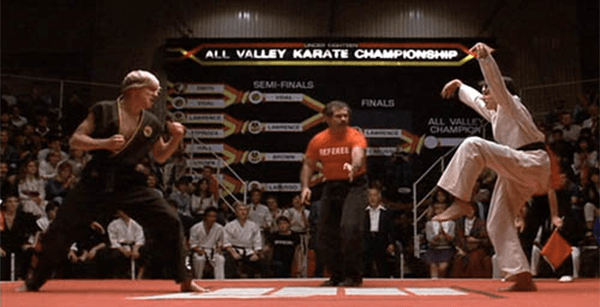 |
| Two characters positioned at the outside edges of the frame can indicate a distance between the characters. |
